The pioneering lung transplant unit at University Health Transplant Institute, San Antonio, Texas has joined forces with respiratory remote monitoring specialists patientMpower on an exciting new project to advance patient care in lung transplantation.
The program will assess the utility of multi-modal surveillance following lung transplantation, leveraging patientMpower’s remote patient monitoring technology alongside Natera’s ProsperaTM lung transplant assessment test, a donor-derived cell-free DNA (dd-cfDNA) test used to help evaluate the risk of rejection in organ transplant.
Survival rates following lung transplantation remain the lowest of all solid organ transplants, with five-year survival of approximately 55-60%.1 Early detection and rapid management of complications is key to improving patient outcomes. Multi-parameter monitoring may support earlier identification of rejection, helping drive much needed improvements in patient outcomes for lung transplant recipients.
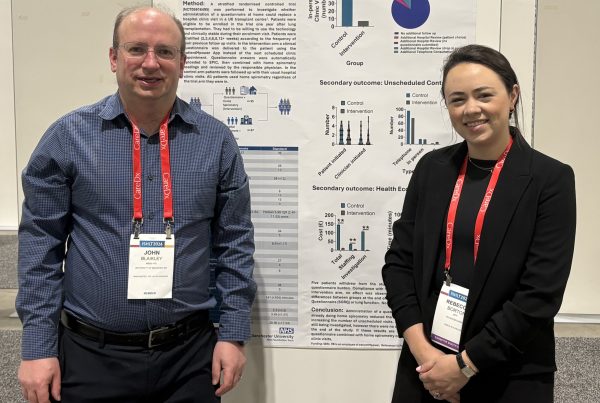
The patientMpower specialist remote monitoring solution has been transformative for lung transplant care. Already used by leading transplant centres across Europe and North America, the solution has accumulated a sector-leading evidence base – including compelling randomised controlled clinical trial data published at this year’s ISHLT Congress.2
The technology enables monitoring across multiple objective and subjective parameters, including dd-cfDNA data, quality-assured home spirometry, validated patient reported outcome measures, to provide a comprehensive picture of a patient’s health status. Using patientMpower’s advanced functionality, the program will use automation to effectively “triage” home monitoring data. Changes in health parameters trigger clinical alerts, prompting interventions or investigations according to clinically determined protocols. For example, a decline in patients’ lung function generates an alert to prompt further assessment, including dd-cfDNA testing.
University Health Transplant Institute has been at the forefront of lung transplantation research and innovation for many years, developing the San Antonio Lung Transplant (SALT) protocol used worldwide and performing the first single-lung transplant to treat pulmonary hypertension. This team now leads the way in integrated multi-modal lung transplant surveillance.

Dr Holly Keyt
Commenting on this initiative Dr. Holly Keyt, Medical Director of the Lung Transplant Program at University Health Transplant Institute explained:
“Acute lung allograft dysfunction, chronic lung allograft dysfunction, infections and other complications all impact patient survival after lung transplantation. We want to investigate if surveillance across multiple parameters- incorporating home spirometry to prompt dd-cfDNA testing – can aid the earlier detection of these various risks, supporting early intervention. With this comes the opportunity to improve outcomes for our patients.”
Similar programs are due to start across other US lung transplant units in the coming months, providing multi-centre data on the utility of the approach and advancing patient care for those receiving this life-changing treatment option.
References
- OPTN/SRTR 2023 Annual Data Report. U.S. Department of Health and Human Services, Health Resources and Services Administration; 2025.
- Varley R, Borton R, McGarrigle L et al. Randomised Controlled Trial Investigating Whether a Questionnaire Combined with Home Spirometry Can Reduce Clinic Attendance After Lung Transplantation. The Journal of Heart and Lung Transplantation, 45719.